Touched Images (with Martin Kubica)
—
Dole Gallery, Ostrava, CZ
Solo exhibition
Curator: Tomáš Knoflíček
At first glance, the meeting between Barbora Mikudová and Martin Kubica belongs to the category of accidental encounters, following the example of the sewing machine and the umbrella that met on the autopsy table. Mikudová is mostly a painter of veristic canvases, with a predominant presence of the idea of an escape, with all the possible connotations the word implies, which ultimately her time-consuming process becomes. In contrast, Kubica freely varies different creative approaches, balancing between renewal and destruction, responding to external stimuli and, in guileless and childlike sense, showing rather than telling. However, there is no beauty without conflict between things, and it is precisely the mutual contradiction that makes the works of both artists more intriguing. Artist and new media theorist Lev Manovich argues that when the human field of vision is superimposed onto an image, the viewer not only enters the image, but also the representation of the framework of a simulation. Indeed, all images viewed always attempt to create a substitute landscape into which one can enter. Barbora Mikudová's paintings are naturally no exception to this.
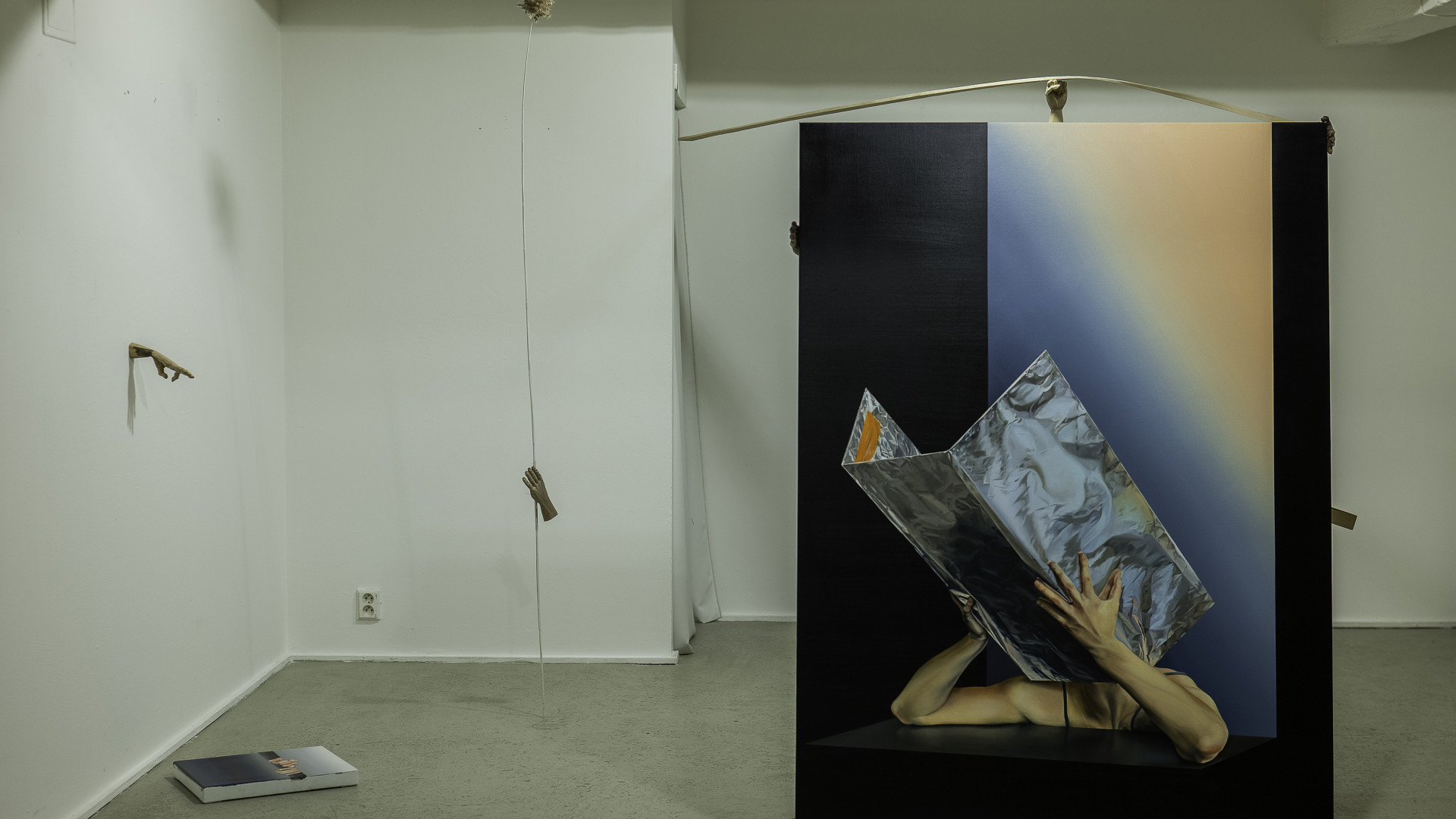
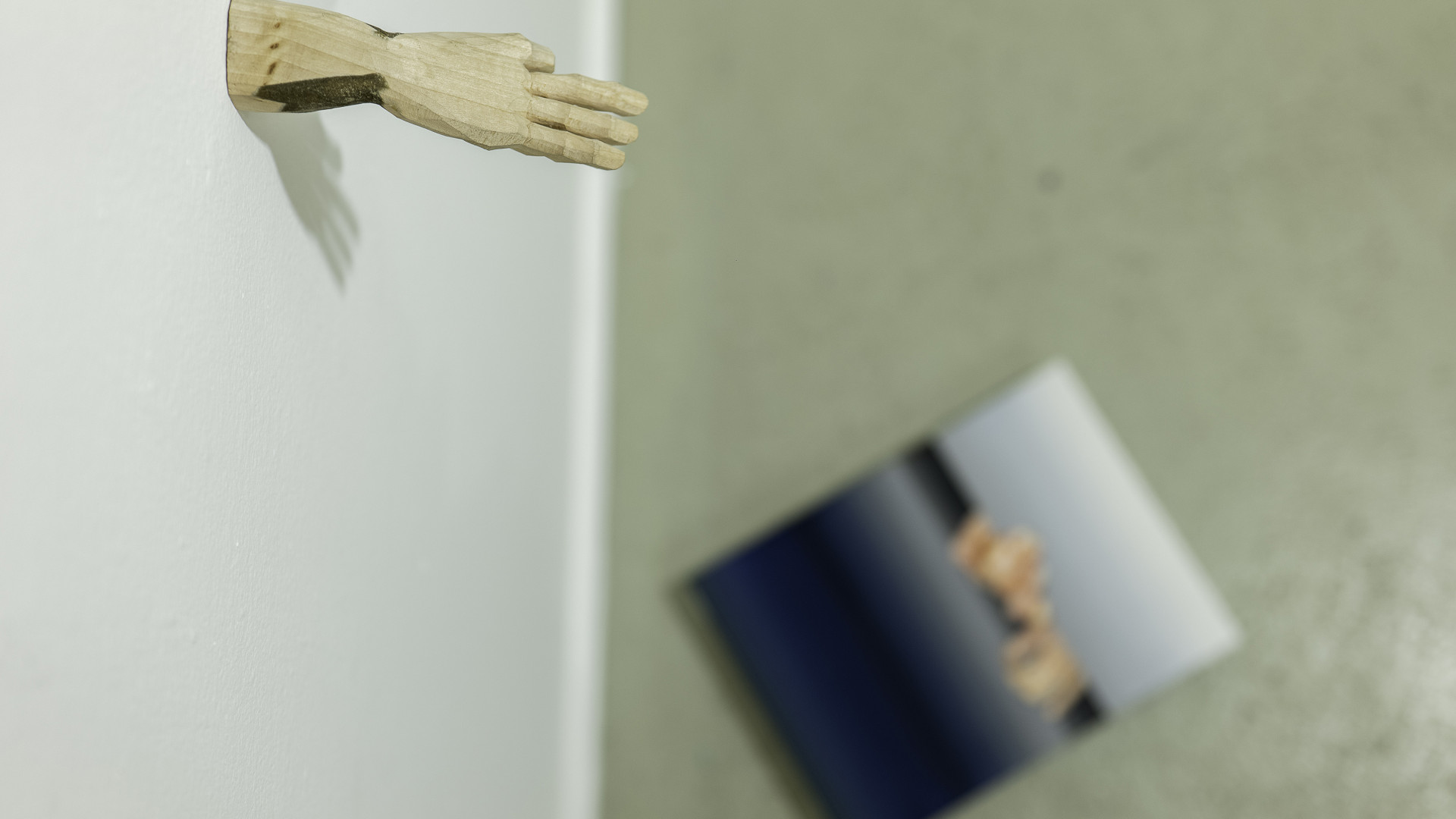
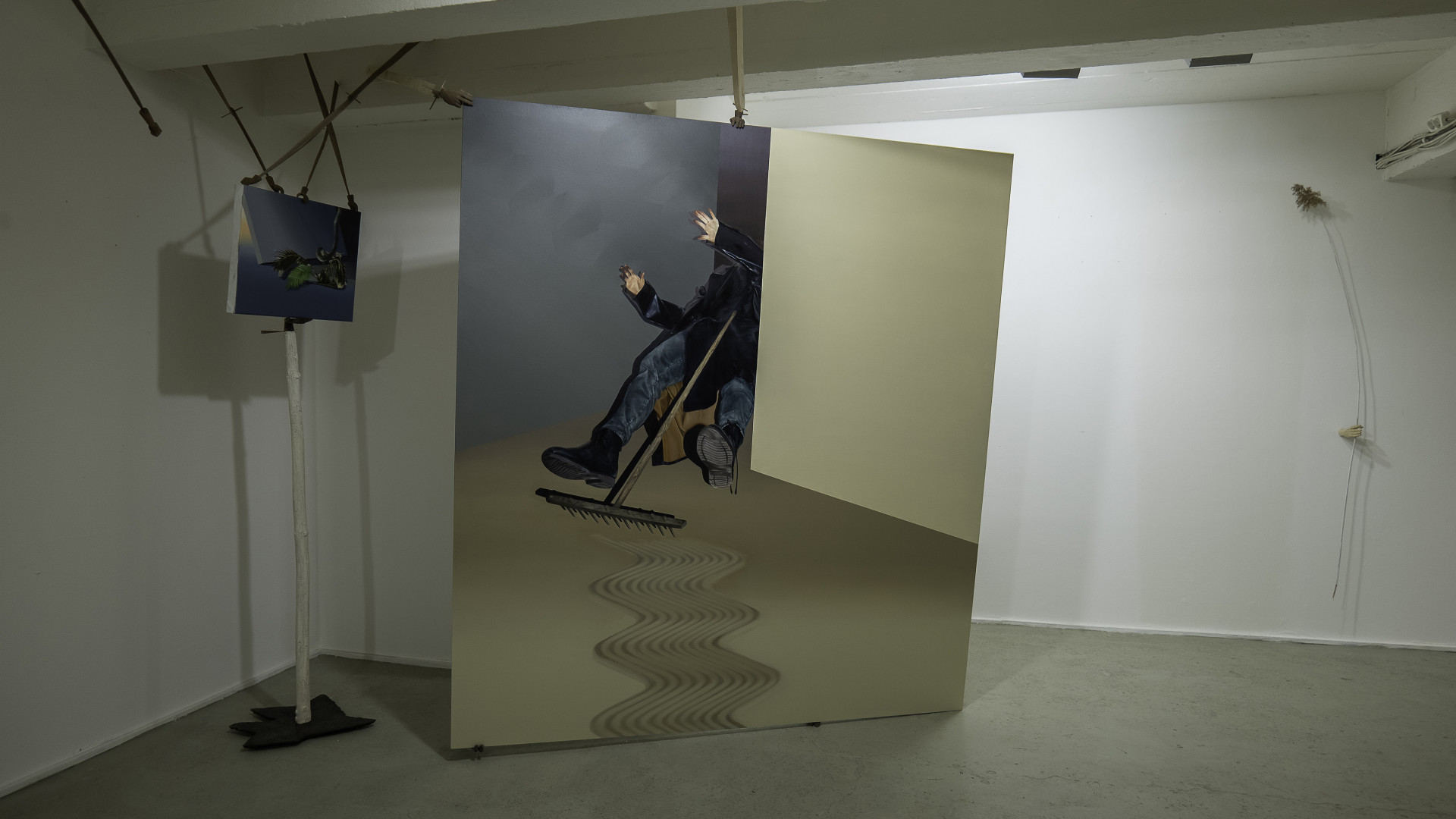
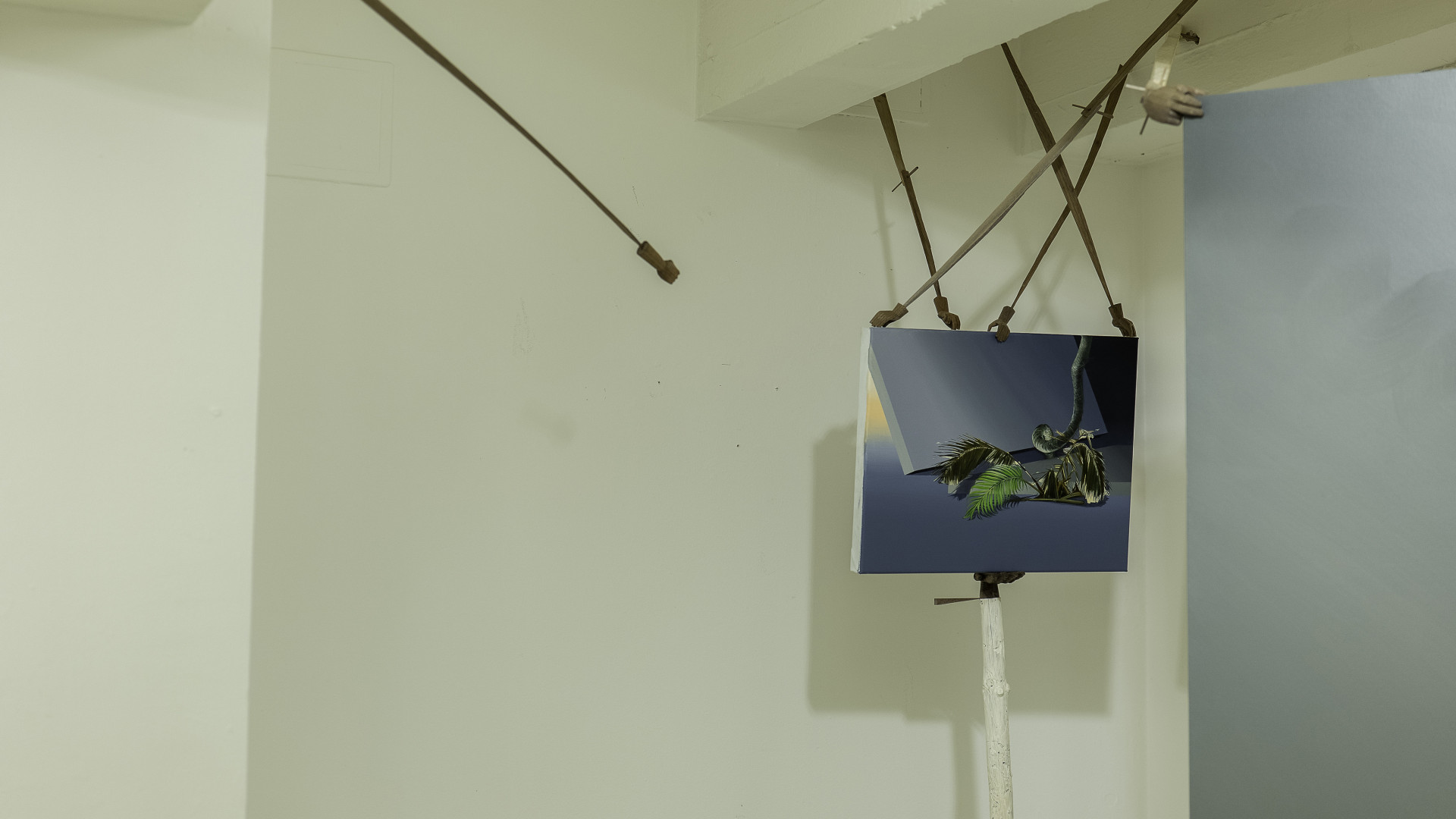
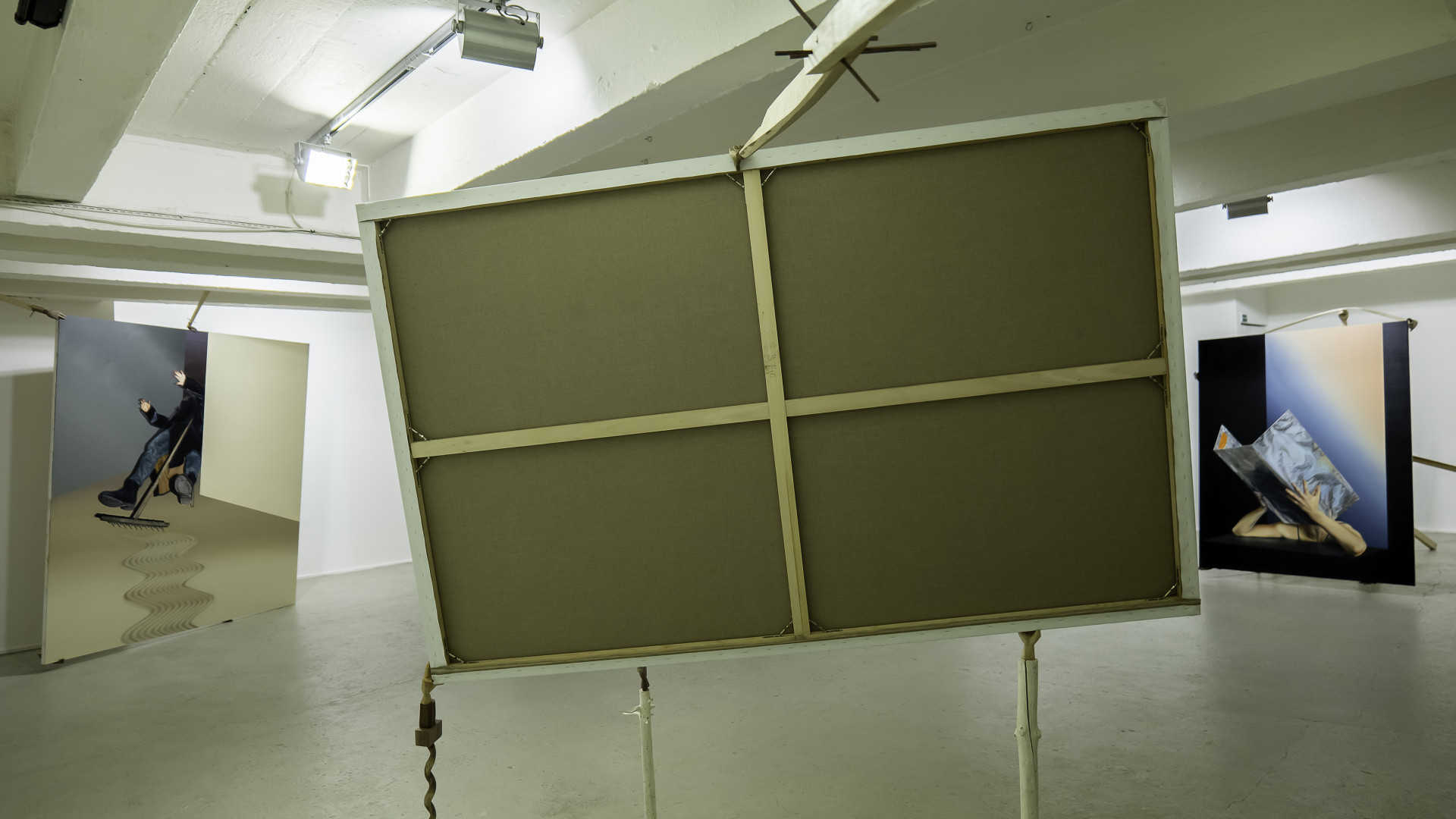
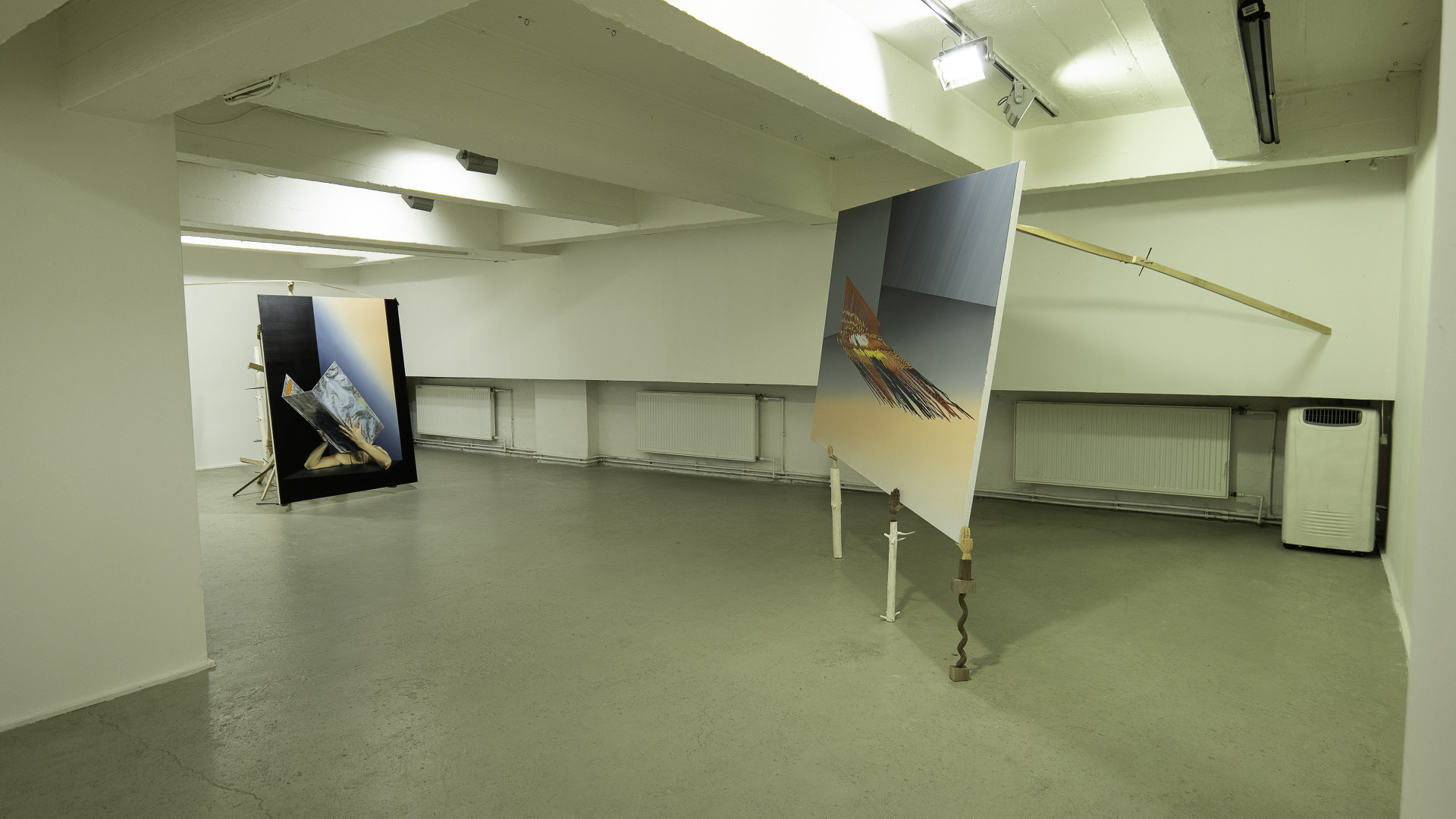
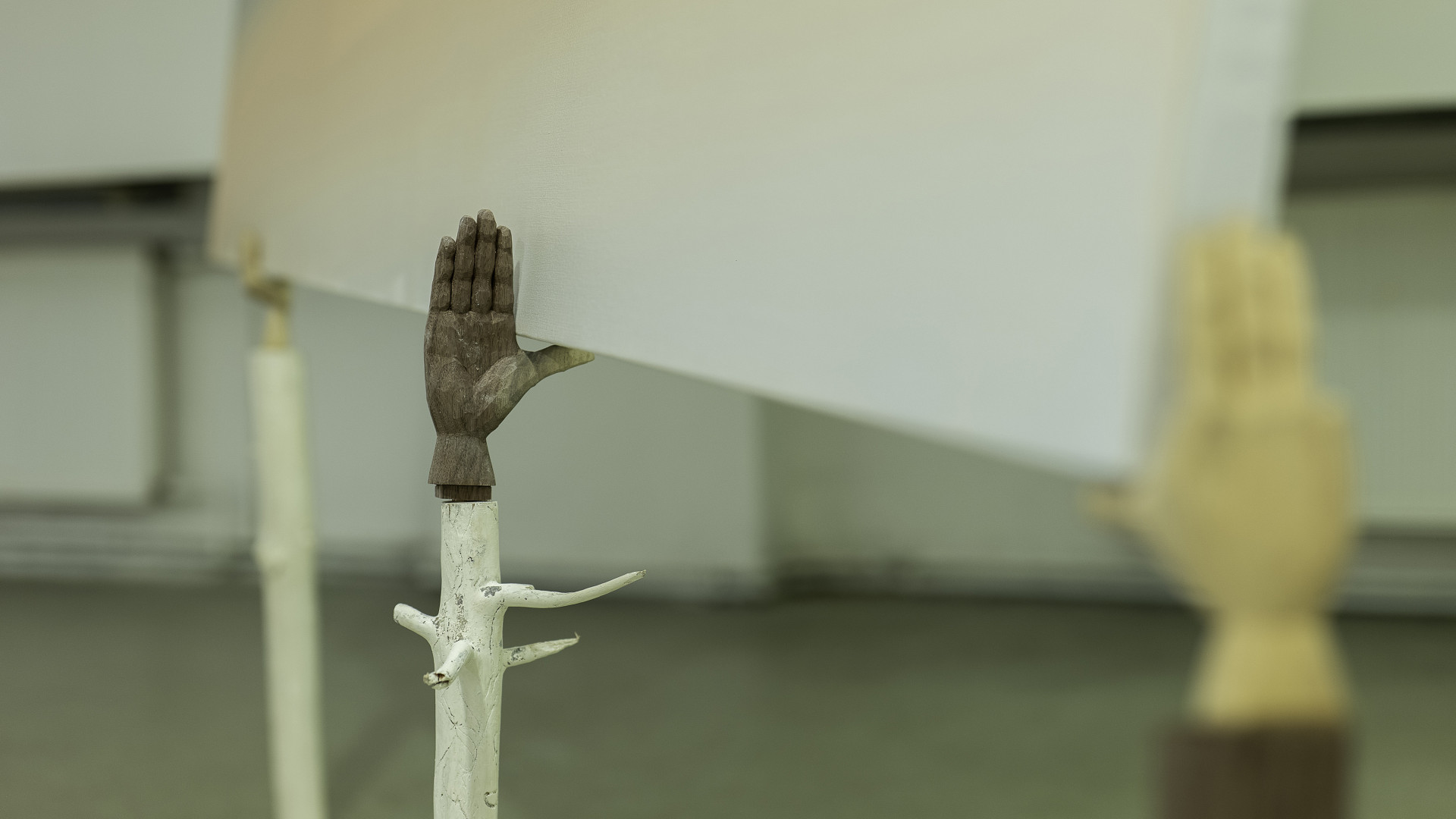
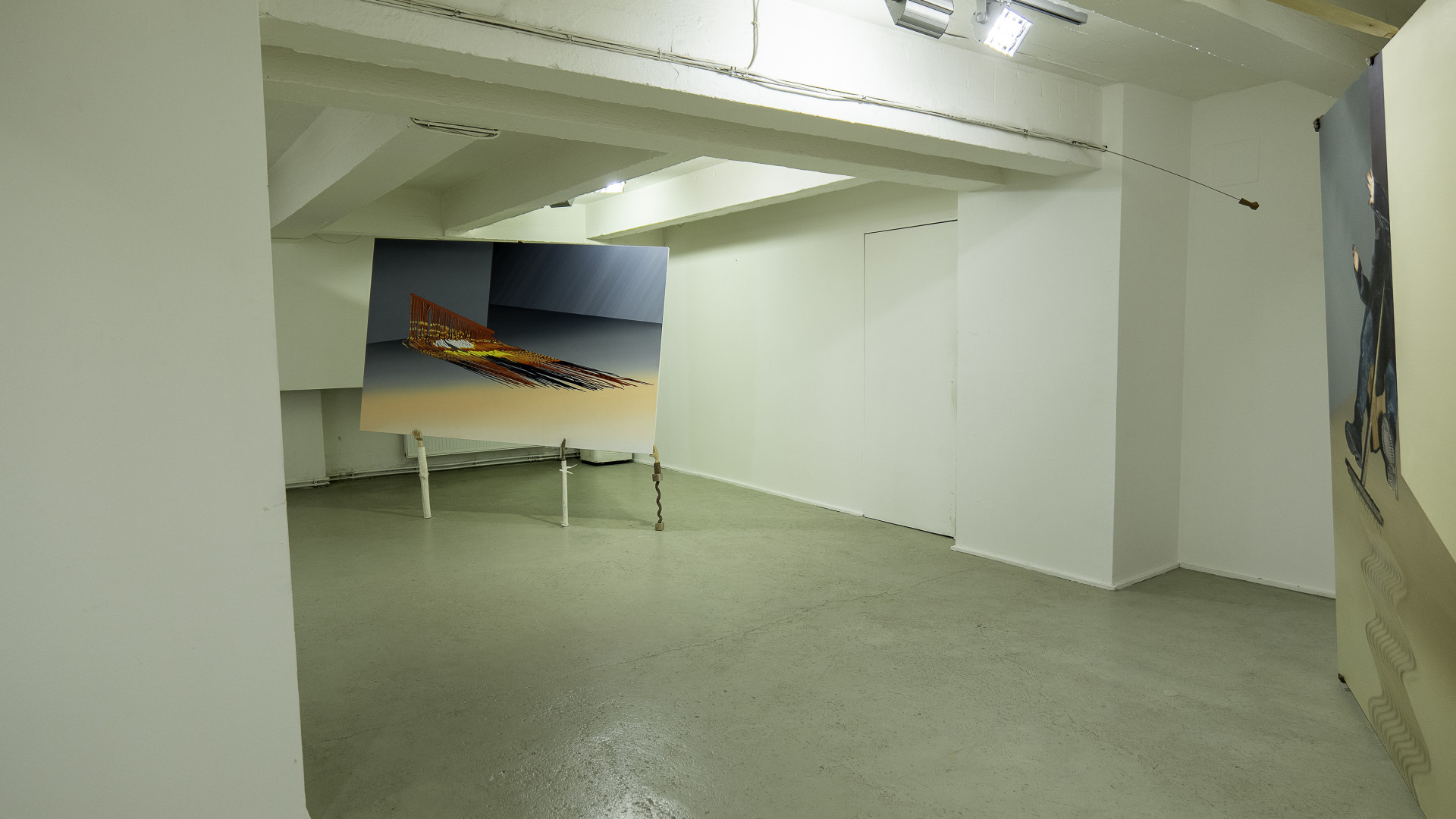
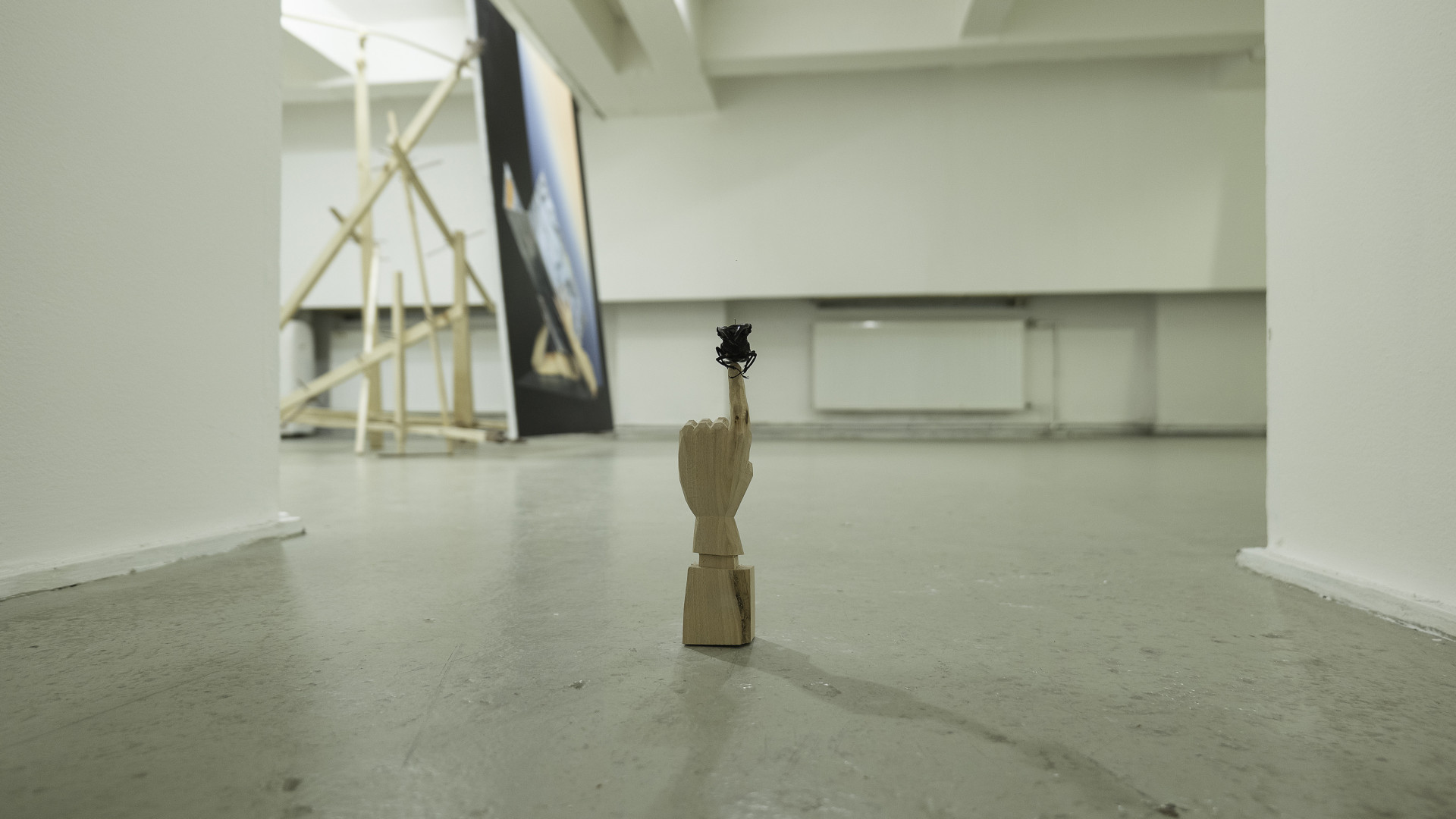
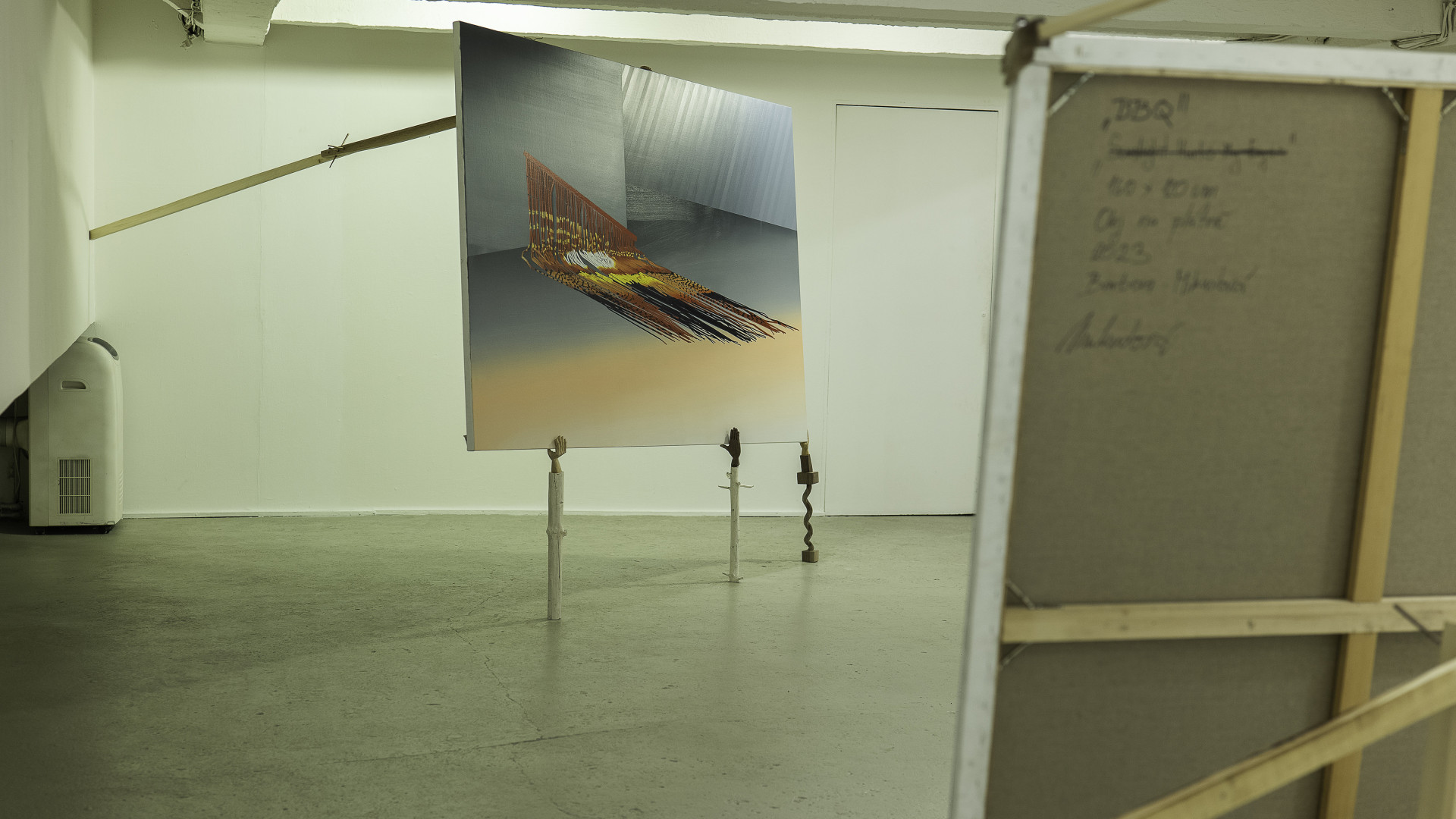
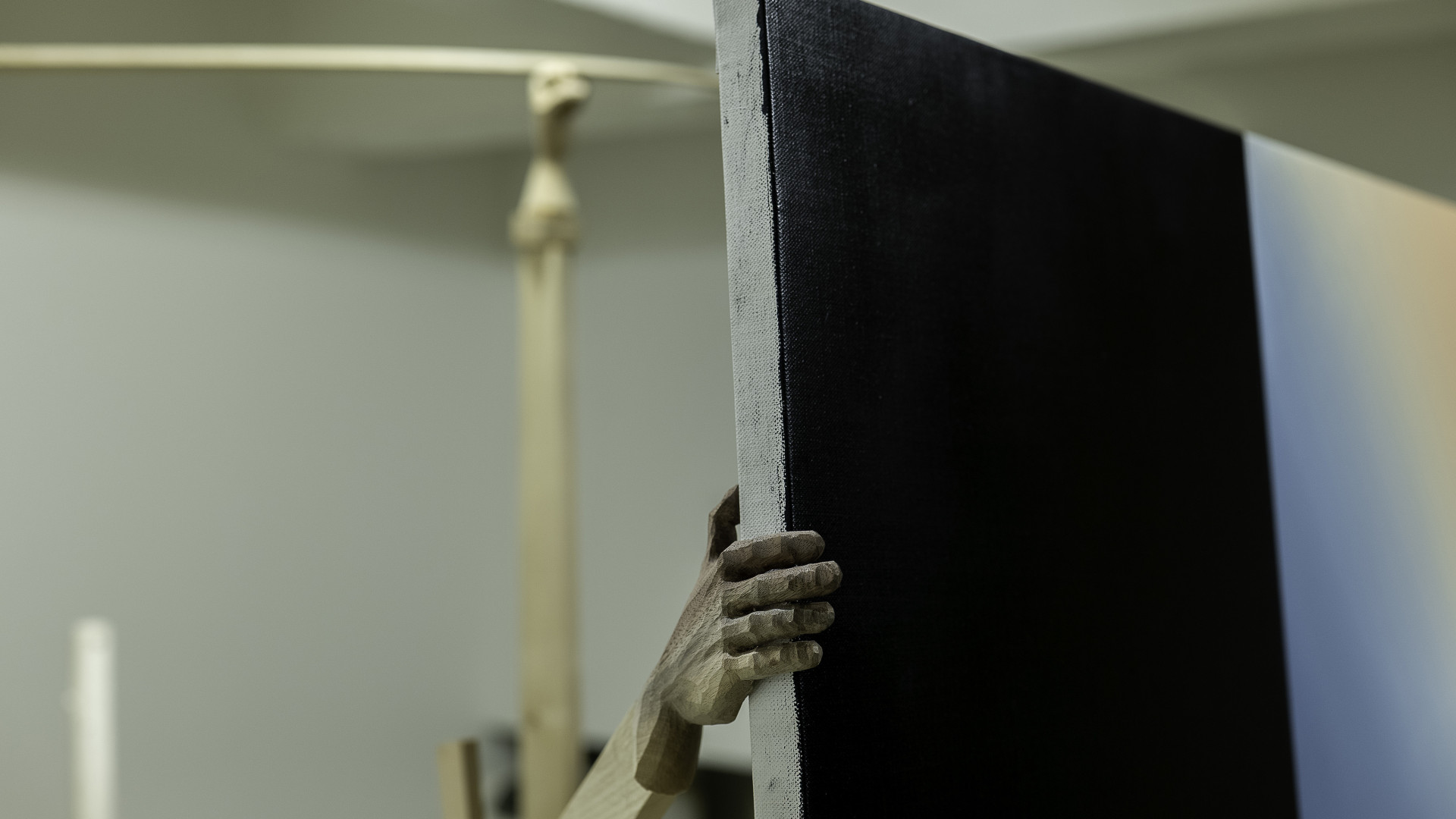
It would be tempting to suggest that Kubica's installation interventions will further enhance this spatial spectacle, but instead of creating a dioramatic enchantment, the artist rather grounds the paintings, suppressing their illusory power and accentuating their physicality. With touch, illusion ends. And through mediated touch Kubica thereby offers us a glimpse behind the scenes, behind the altar, or simply by removing a window to which a painting is traditionally compared, making it difficult to gaze into the landscape for the viewer. According to Georges Didi-Huberman, touch is the most immediate target of both the aggressive and the tender interaction with an object. Eros desires touch because he seeks to connect and abolish the spatial boundaries between self and a beloved object. But destruction, which before the invention of long-range weapons could only occur at close proximity, must also have bodily touch, the laying on of the hand, as its precondition. So the question is clear. What is actually the aim of the conjunction of Barbora Mikudová's paintings and Martin Kubica's objects/installations. Is it the need to caress or rather to destroy?
Setkání Barbory Mikudové a Martina Kubici patří na první pohled spíše do kategorie náhodných, následujících příklad šicího stroje a deštníku, jež se setkaly na pitevním stole. Mikudová je ponejvíce malířka veristických pláten, ve kterých obvykle exponuje únik, se všemi možnými konotacemi, jež toto slovo skýtá, a jímž je v konečném důsledku i její časově náročný proces tvorby. Kubica oproti tomu svobodně variuje různé tvůrčí přístupy, balancuje mezi obnovou a destrukcí, reaguje na vnější podněty a v benjaminovském smyslu raději ukazuje než něco říká. Avšak není krásy bez konfliktu mezi věcmi a právě vzájemný rozpor činí práce obou autorů zajímavějšími. Umělec a teoretik nových médií Lev Manovich tvrdí, že pokud je lidské zorné pole překrýváno obrazem, divák tím nejenže vstupuje do obrazu, ale i reprezentace do řádu simulace. Sledované obrazy se totiž vždy pokoušejí vytvořit náhradní krajinu, do níž lze vejít. Obrazy Barbory Mikudové v tomto přirozeně nejsou výjimkou. Zde v Galerii Dole nadto sestoupily ze stěn a staly se v prostoru plovoucími objekty, respektive styčnými plochami mezi několika prostory, reálnými i fiktivními prostory obrazu a prostory v obrazech.
Nabízelo by se, že Kubicovy instalační zásahy tento prostorový spektákl ještě dále umocní. Namísto dioramatické šalby však autor obrazy spíše uzemňuje, potlačuje iluzivní sílu a akcentuje jejich fyzično. S dotykem končí iluze a Kubica tak skrze zprostředkovaný dotyk nabízí pohled do zákulisí, za oltář nebo prostě jen vysadil okno, k němuž je obraz tradičně přirovnáván, a zkomplikoval nám tak výhled ven do krajiny. Podle Georgese Didi-Hubermana je dotyk nejbližším cílem jak agresivního, tak něžného obsazení objektu. Erós chce dotek, neboť usiluje o spojení a zrušení prostorových hranic mezi Já a milovaným objektem. Avšak také destrukce, k níž před vynalezením dálkových zbraní mohlo dojít jen zblízka, musí mít jako svůj předpoklad tělesný dotek, přiložení ruky. Otázka je tedy jasná. Co je vlastně cílem spojení obrazů Barbory Mikudové a objektů / instalace Martina Kubici. Je to potřeba laskat či spíše ničit?