Dismentled Temples (with Martin Kubica)
—
The Chemistry Gallery, Prague, CZ
Solo exhibition
Curator: Jiří Ptáček
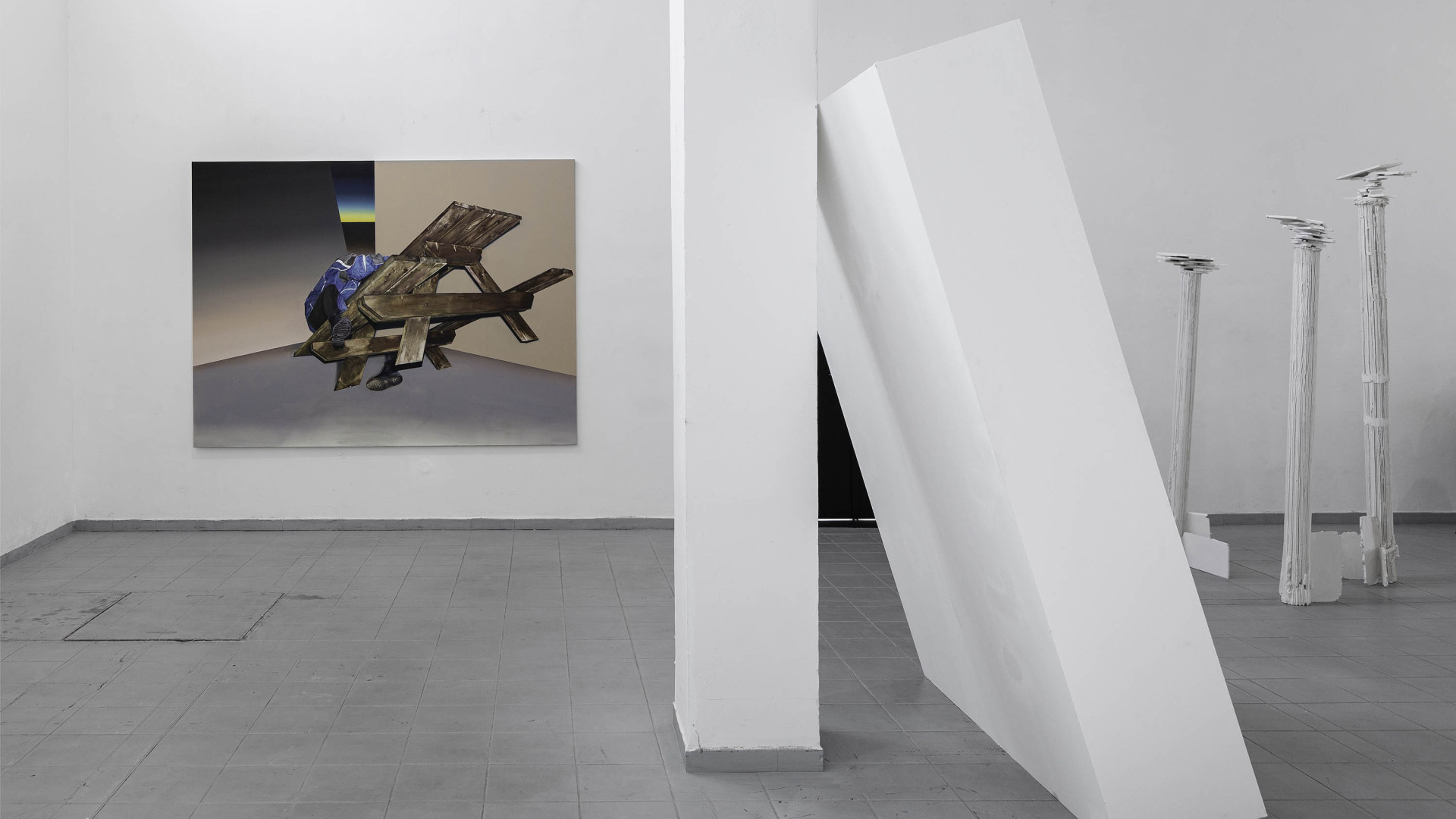
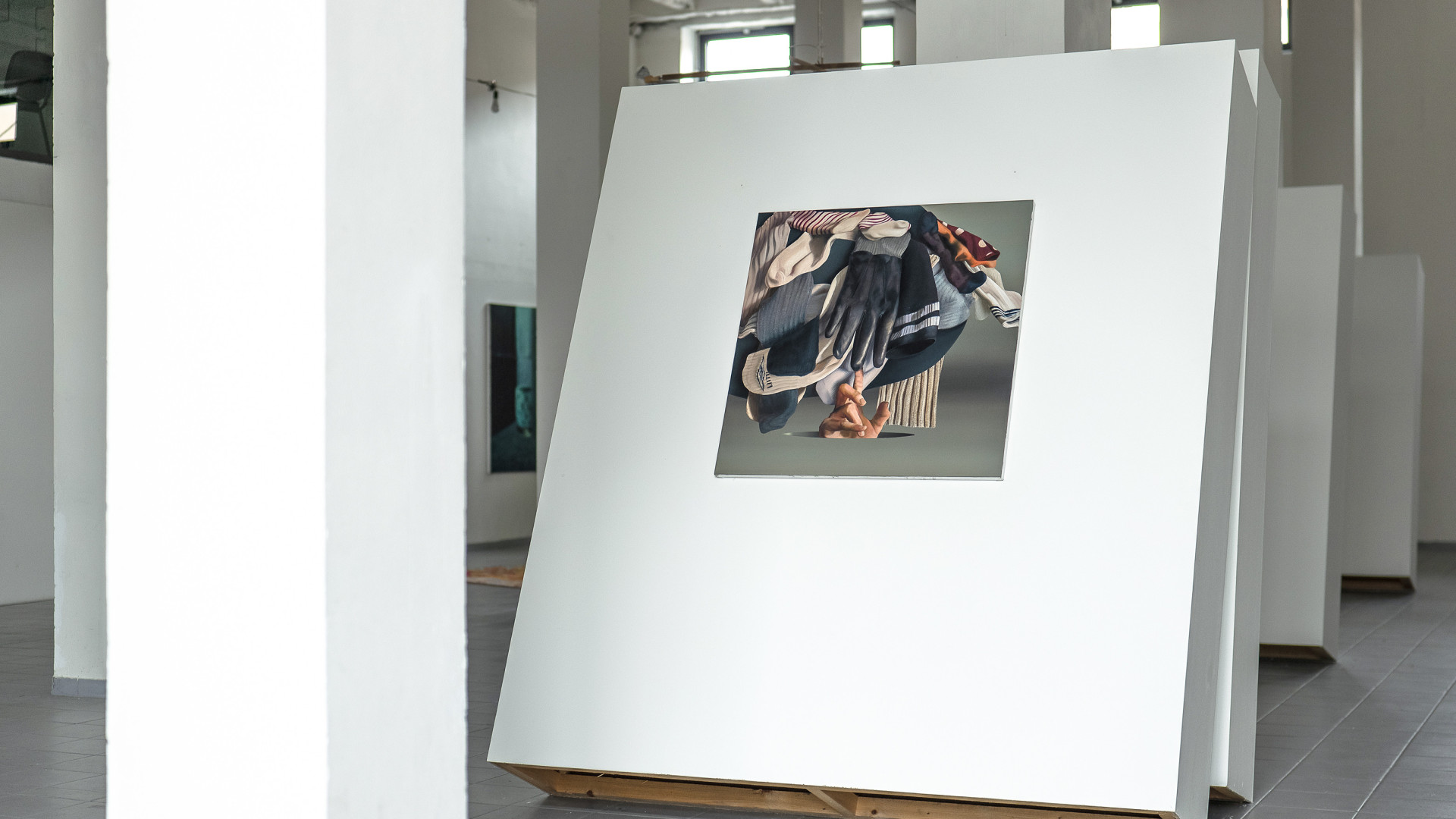
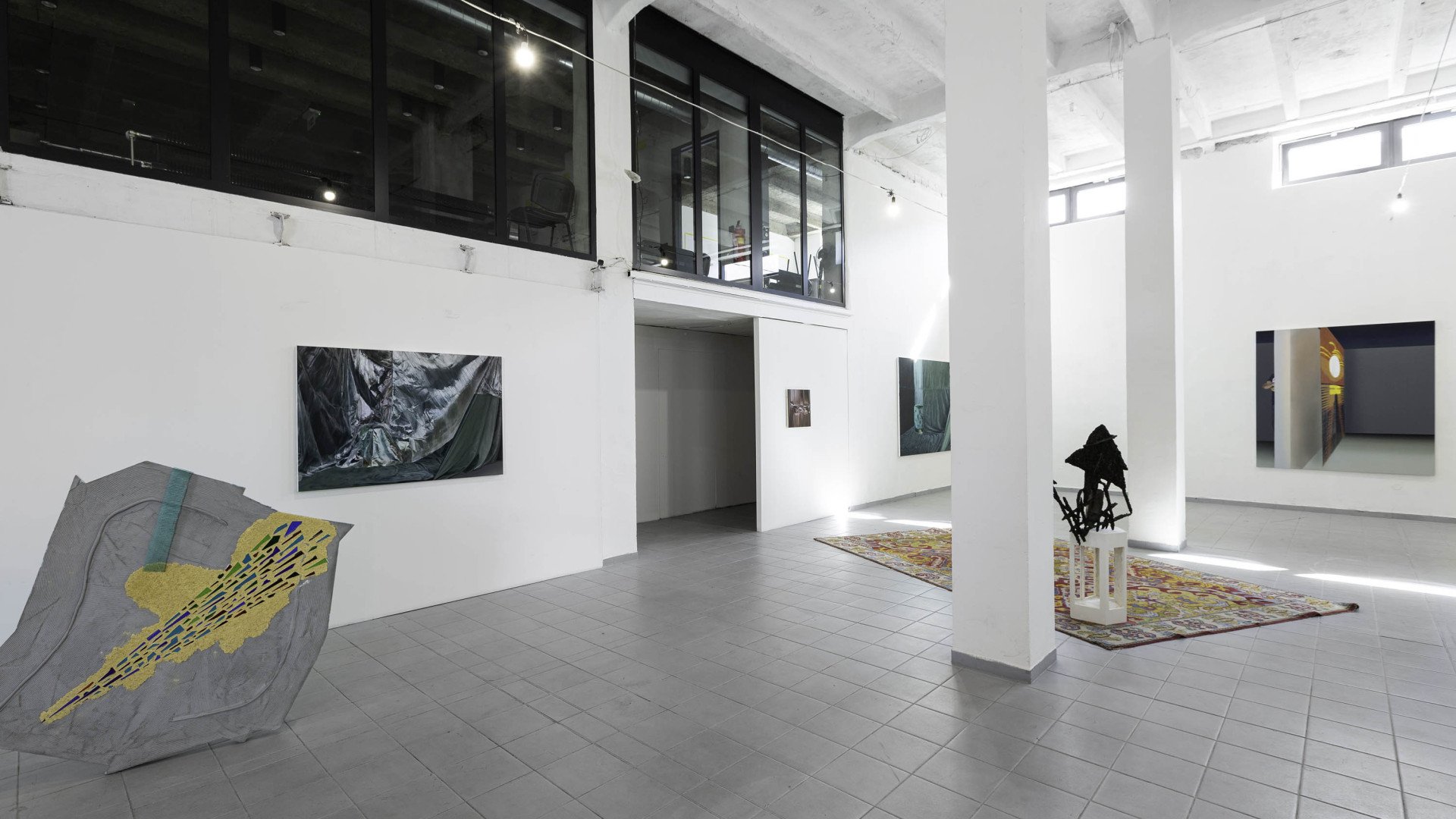
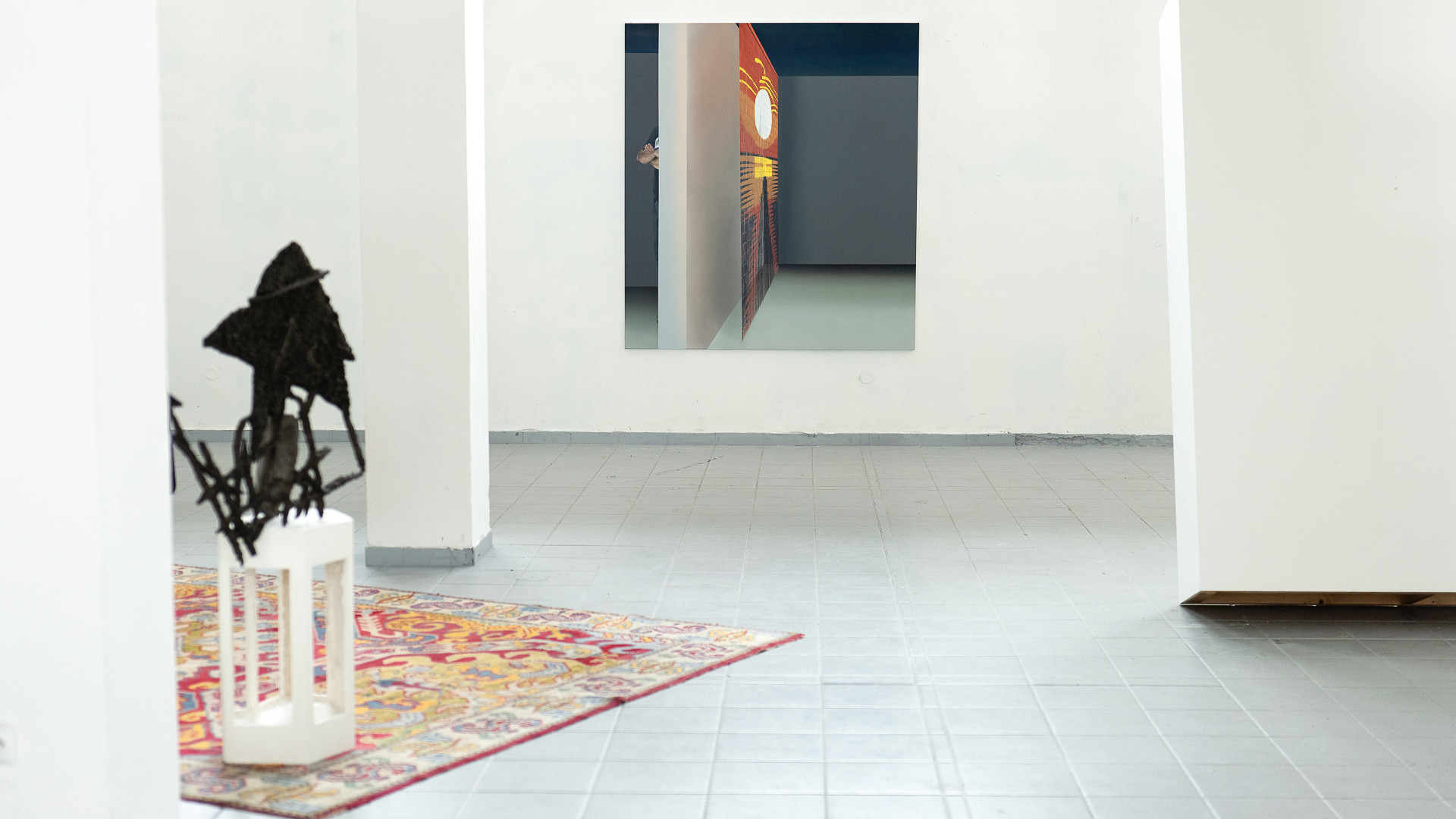
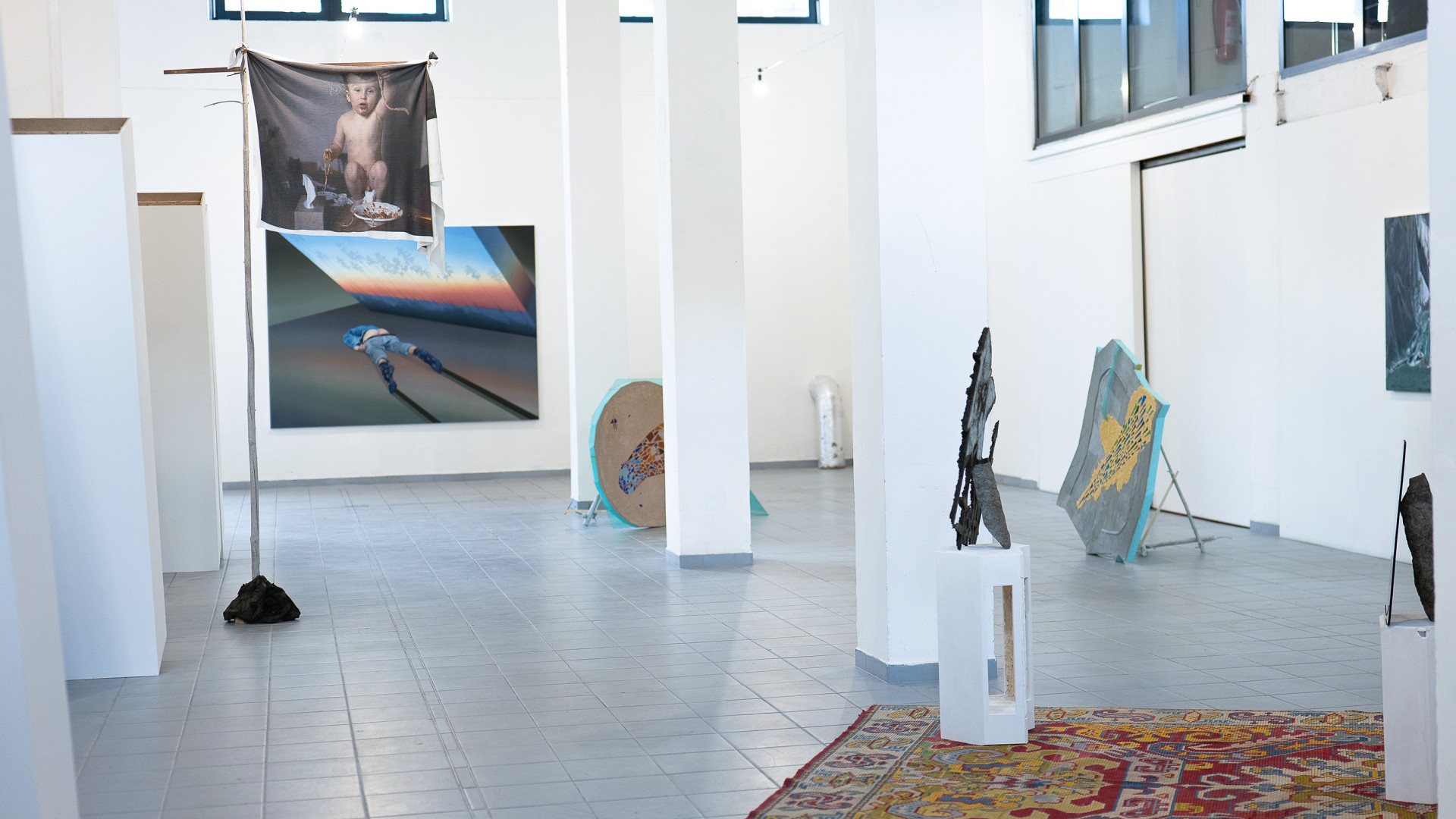
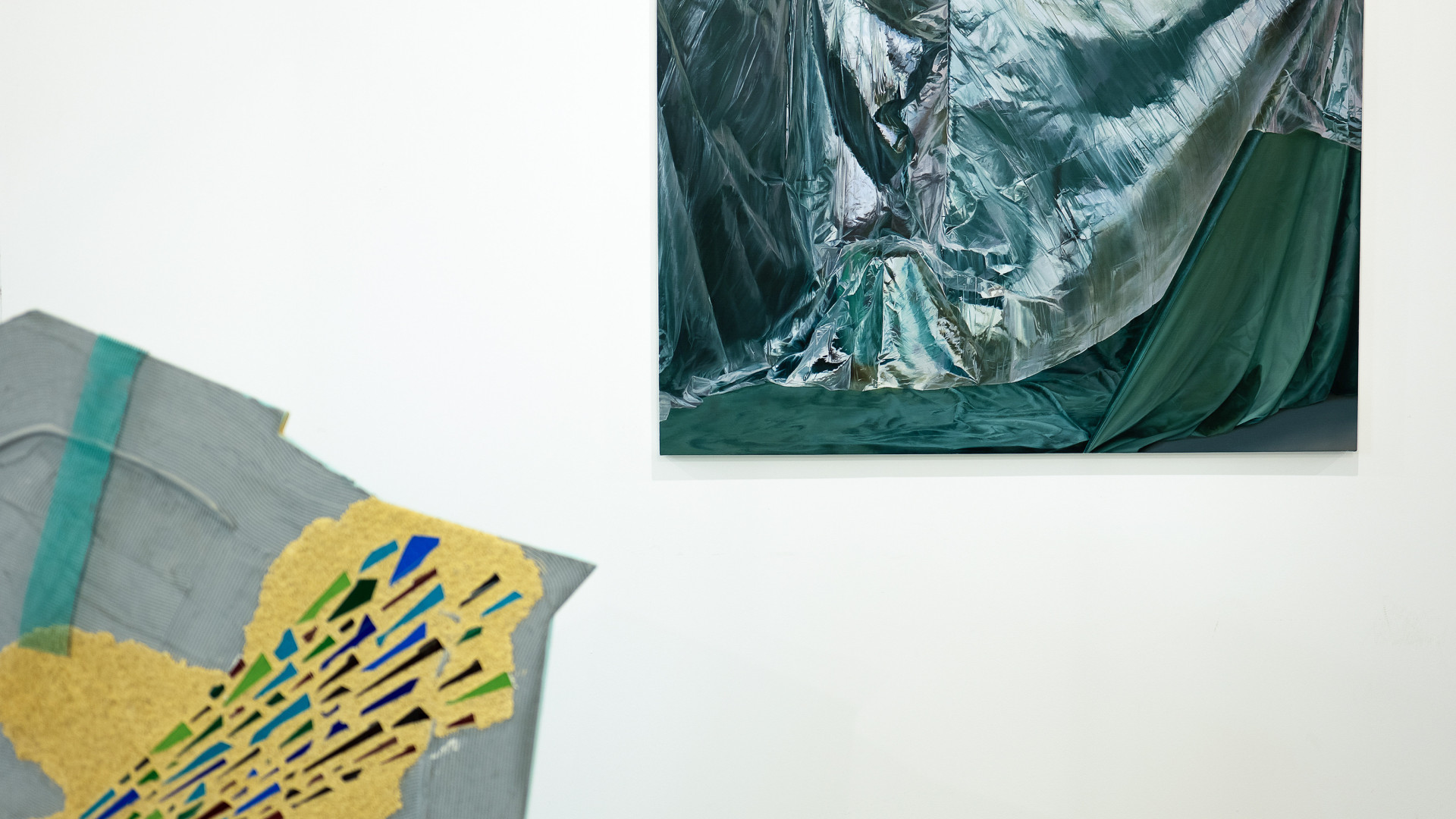
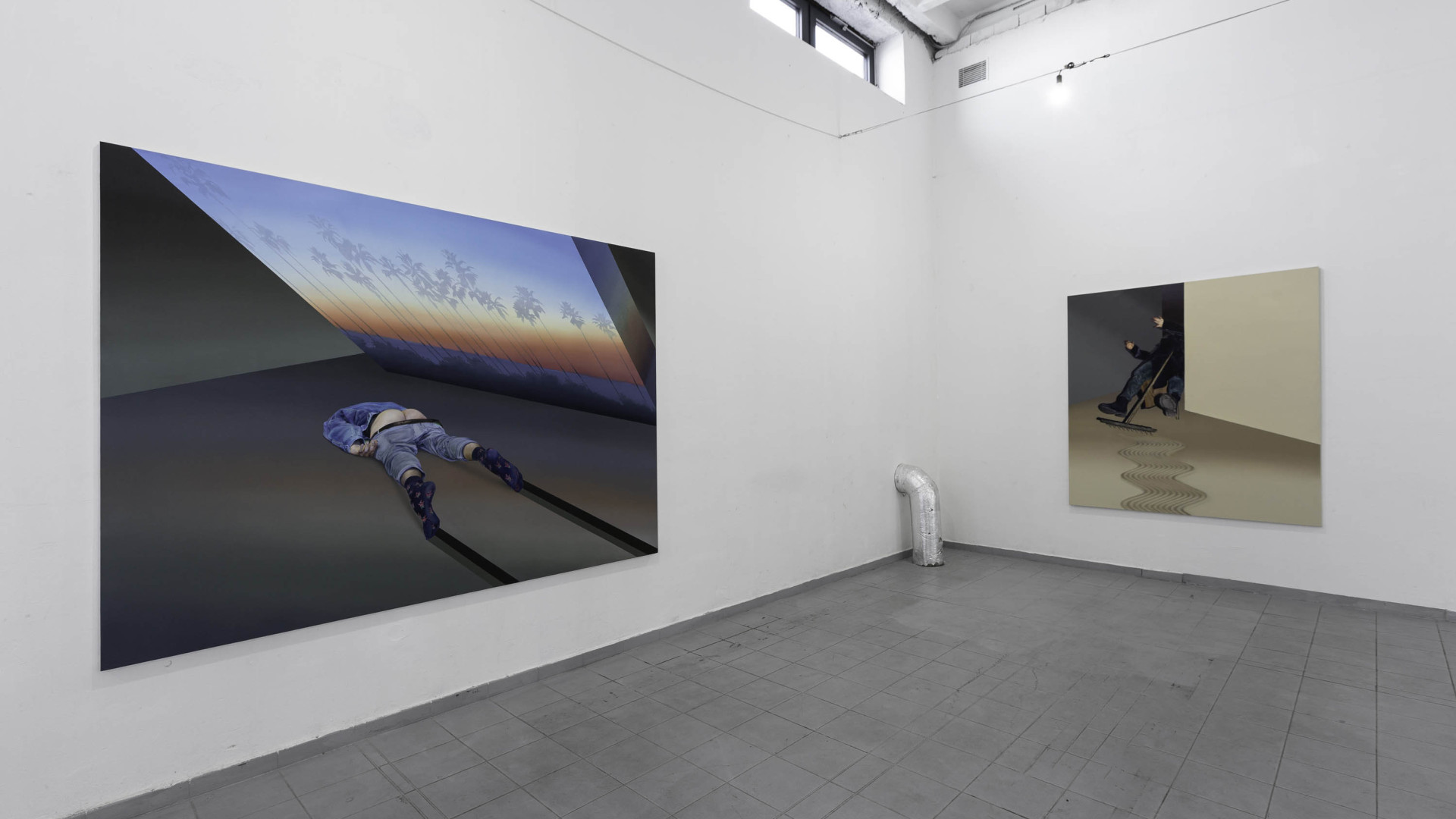
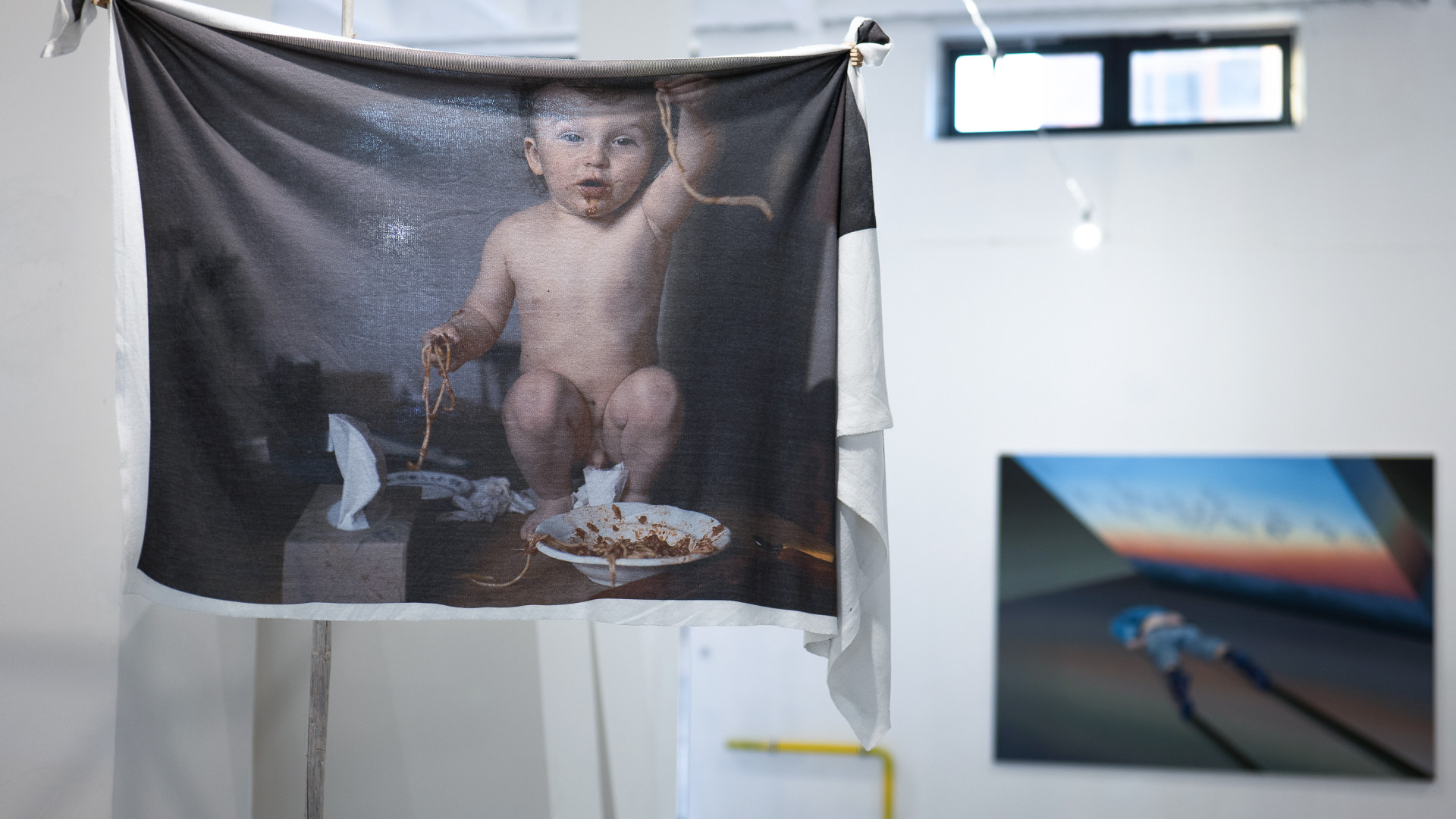
While the artistic means and expressions of Barbora Mikudová and Martin Kubica differ from each other, their exhibition "Dismantled Temples" embodies a shared exploration of the pathos of downfall and crumbling as a widely felt drama of our times. Through painterly and sculptural techniques, each artist approaches a baroque intensity in their own right. However, the upward gaze and motion (towards the heavens) in their works are replaced by an inverse trajectory. In the figurative images of Barbora Mikudová, the fall of the figures seems to cause not only grotesque deformations of their bodily constitutions, where the human figure becomes indistinguishable from a heap of discarded clothing, but also fractures the surrounding backdrop of the world, revealing it to be artificial, constructed, and unstable. Her interior still lives also exude a "theatrical" atmosphere, with their effective illusory naturalism seeming to underscore the deceptive nature of itself.
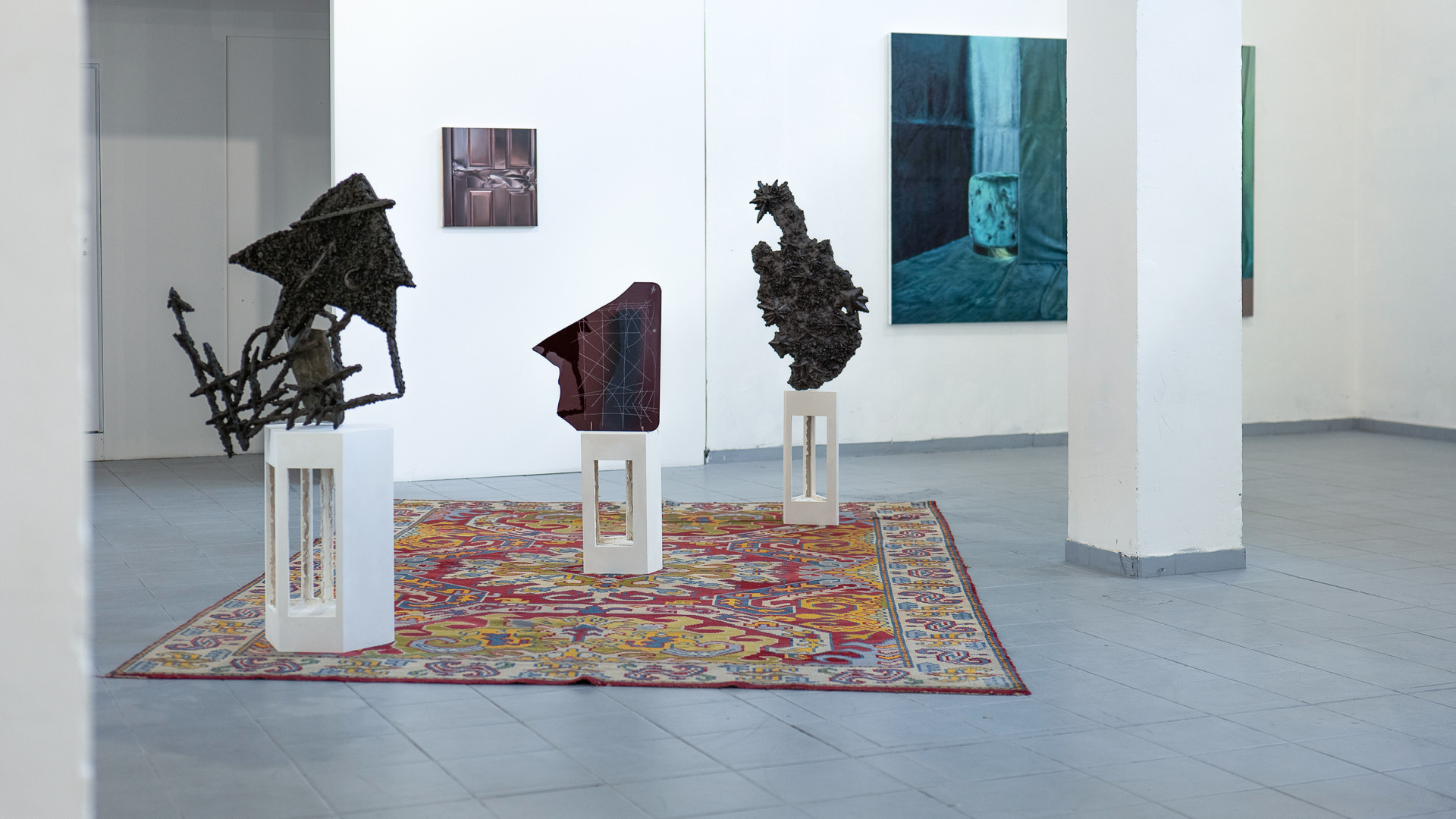
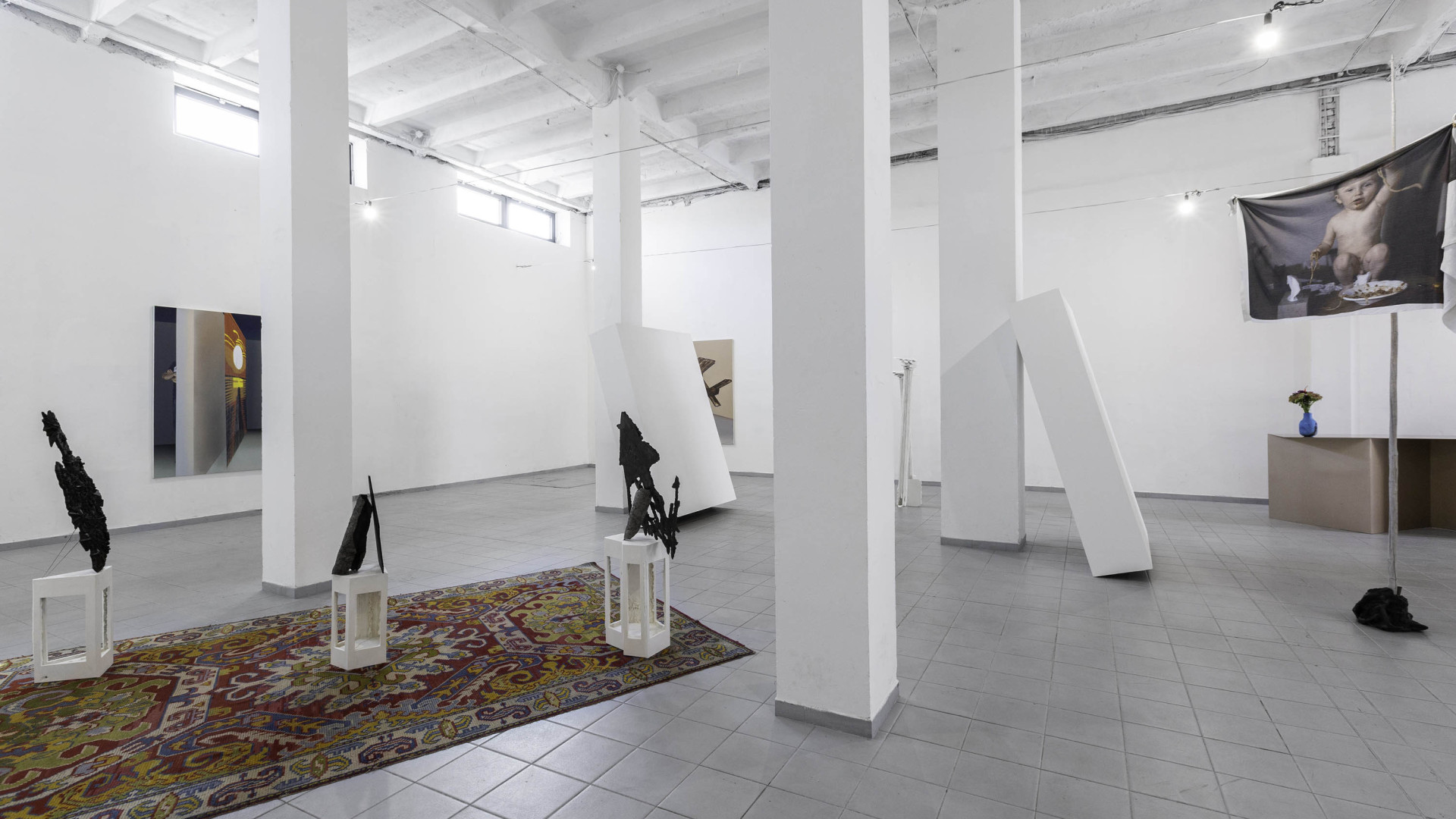
Kubica's sculptural situations, influenced in no small part by his experience as a restorer of sacred spaces, transfer a similar thematic concern into working with broken draperies, isolated fragments of symbols, and especially into his approach to the exhibition space itself as a "temple of art." The preservation or potential loss of this status, thanks to his interventions, is shown as conditioned by the fulfillments or lack of a set of external indicators. However, at the heart of this exhibition lies an insolvable contradiction. If it's not possible to fully surrender to the beauty and sublimity of a divinely ordered world (and its reflection in art) today, it doesn't mean it isn't perverse to keenly observe how decay and chaos penetrate its cracked surface.
Jakkoliv se výtvarné prostředky a projev Barbory Mikudové a Martina Kubici navzájem odlišují, nese se jejich výstava „Rozebrané chrámy“ v duchu společného pátrání po patosu pádu a borcení jakožto široce pociťovaného dramatu naší doby. Malířskými a sochařskými postupy se každý za sebe dostávají na dohled barokní vypjatosti. Pohled a pohyb vzhůru (k nebesům) ovšem v jejich pracích nahrazuje inverzní trajektorie. Ve figurativních obrazech Barbory Mikudové jako by pád postav způsoboval nejen groteskní deformace jejich tělesných konstitucí, kdy je lidská postava zaměnitelná s hromadou svlečeného oblečení, ale zároveň rozkližoval i okolní kulisy světa, které se ukazují jako umělé, konstruované a nestabilní. „Teatrální“ atmosférou se vyznačují i její interiérová zátiší, jejichž efektní iluzivní naturalismus jako by podtrhoval klamnou povahu sebe sama.
Kubicovy sochařské situace, nemálo inspirované praxí restaurátora sakrálních prostorů, přenáší obdobnou problematiku do práce s polámanými draperiemi, izolovanými fragmenty symbolů a zejména do přístupu k samotnému výstavnímu prostoru coby „chrámu umění“. Zachování, případně ztráta tohoto statusu se díky jeho intervencím ukazují jako podmíněné ne/naplněním sady vnějších znaků. V jádru této výstavy ale spočívá jeden neřešitelný rozpor. Není-li dnes možné plně se poddat kráse a vznešenosti božsky uspořádaného světa (a jeho zrcadla v umění), neznamená to, že by nebylo perverzní zálibně pozorovat, jak se jeho rozpraskaným povrchem prodírá zmar a chaos.